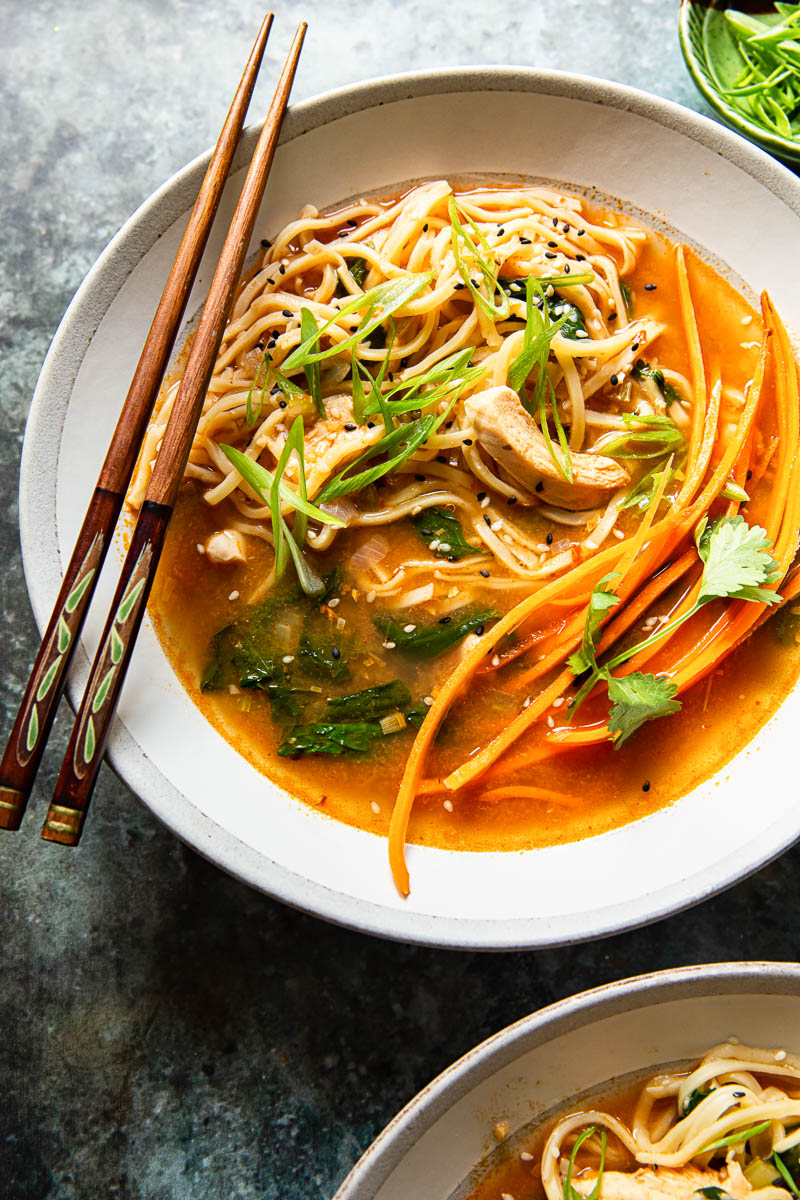
Thai Noodle Soup Secrets: Balance, Spice, & Vermicelli
Few dishes capture the essence of Thai cuisine quite like its diverse and delectable noodle soups. From the bustling street corners of Bangkok to the quiet kitchens of home cooks worldwide, Thai noodle soup is a culinary cornerstone, celebrated for its intricate balance of flavors, aromatic spices, and comforting textures. It's a symphony in a bowl, often delivering a harmonious interplay of spicy, sweet, sour, and salty notes that leave a lasting impression.
The beauty of Thai noodle soup lies not just in its taste, but in its incredible versatility and the speed with which many versions can be prepared. Whether you're seeking a fiery kick to awaken your palate, a soothing embrace for a chilly evening, or a light yet satisfying meal, there's a Thai noodle soup to fit every mood and craving. Let's delve into the secrets that make these bowls so irresistible.
The Art of Balance: A Hallmark of Thai Noodle Soup
At the heart of authentic Thai cooking is the philosophy of balance – a delicate equilibrium of the four fundamental flavors. A truly great Thai noodle soup masterfully integrates these elements, creating a multi-dimensional taste experience that is both complex and utterly harmonious. This intricate dance of flavors is what elevates a simple broth and noodles into a culinary masterpiece.
- Spicy: Often derived from fresh chilies, chili paste, or dried chili flakes, providing warmth and excitement.
- Sour: Typically from lime juice, tamarind, or vinegar, offering a bright, tangy counterpoint.
- Sweet: Palm sugar or cane sugar often mellows the heat and acidity, adding depth.
- Salty: Primarily from fish sauce (nam pla), which imparts umami and savory richness without being overtly fishy.
Consider a vibrant green curry noodle soup, a prime example of this exquisite balance. The initial fiery burst from the green curry paste is beautifully tempered by the creamy richness of coconut milk. Fresh lime juice introduces a sharp, tangy high note, cutting through the richness and brightening the overall profile, while aromatic basil leaves add a final layer of herbaceous freshness. This interplay ensures that no single flavor overpowers the others, resulting in a cohesive and deeply satisfying dish. If you're eager to recreate this perfect blend of zest and creaminess, explore our recipe for Quick Thai Green Curry Noodle Soup: Spicy & Soothing.
Decoding the Layers of Green Curry Noodle Soup
The popular green curry-based Thai noodle soup is a testament to how complex flavors can come together with surprising speed. The secret lies in a high-quality green curry paste, which is a powerhouse of flavor, typically containing green chilies, galangal, lemongrass, kaffir lime zest, garlic, shallots, and shrimp paste. This paste provides a slow-building heat and an incredible depth of herbaceous notes that would take hours to develop from scratch.
When combined with rich coconut milk, the paste transforms into a velvety broth that is both soothing and invigorating. The choice of protein further enhances the soup; plump, sweet shrimp are a classic pairing, absorbing the broth's flavors beautifully. However, this recipe is incredibly flexible. You can easily swap shrimp for tender chicken slices, succulent beef, or even firm tofu for a delightful plant-based rendition. What truly makes this soup a weeknight wonder is its remarkable preparation time – often less than 20 minutes from start to finish – yet it tastes as if it has been simmering all day, a true culinary magic trick.
Guay Tiew Nam: Thailand's Street Food Staple
Step onto any street in Thailand, and you'll inevitably encounter the comforting aroma of Guay Tiew Nam (ก๋วยเตี๋ยวน้ำ), or "noodle soup." This quintessential dish is the undisputed poster child of Thai street food, an ultimate comfort food that offers immediate satisfaction. Often referred to as the "OG" or the "margherita pizza" of Thai noodle soups, this classic version strips away elaborate sauces and exotic spices to reveal the pure, simple soul of Thai comfort.
The foundation of Guay Tiew Nam is typically a clear, savory pork broth, meticulously simmered to extract deep, nuanced flavors without cloudiness. Into this pristine broth go tender rice noodles and a generous serving of Asian-style meatballs. The most common varieties are bouncy fish balls (look chin pla) and savory pork balls (look chin moo), each offering a unique texture and flavor. While these are the traditional choices, many vendors and home cooks also incorporate chicken or beef meatballs, or even thinly sliced meats, showcasing the dish's inherent adaptability.
This classic street-style Thai noodle soup is deceptively simple but profoundly satisfying. With a pre-made stock, it’s quick enough to whip up for a nourishing weeknight meal, bringing the authentic taste of Thailand right to your dining table. To explore the genuine taste of this beloved street food, check out our guide on Authentic Thai Noodle Soup: Classic Street Food Comfort.
The Ultimate Customization Station: Building Your Perfect Bowl
One of the most engaging aspects of enjoying Thai noodle soup, particularly the street-style variety, is the ritual of customization. At virtually every noodle stall in Thailand, you'll find a condiment caddy overflowing with essential flavor enhancers. This allows each diner to tailor their soup to their exact preference, transforming a basic bowl into a personalized masterpiece. The "four friends" of the Thai condiment station typically include:
- Prik Pon (Dried Chili Flakes): For an extra fiery kick.
- Nam Pla Prik (Fish Sauce with Sliced Chilies): To boost savory umami and add another layer of spice.
- Sugar: A pinch of granulated sugar or palm sugar to balance acidity and heat, rounding out the flavors.
- Prik Dong Nam Som (Vinegar with Pickled Chilies): For a sharp, sour punch that cuts through richness and refreshes the palate.
Thais expertly use these condiments, adding a dash of this and a spoonful of that until their soup reaches their ideal balance of spicy, sweet, sour, and salty. This interactive element makes eating Thai noodle soup not just a meal, but an experience – a delicious dialogue between the chef's base and the diner's personal taste.
Vermicelli and Beyond: The Noodles that Define Thai Soups
While the broth and toppings are crucial, the noodles themselves are, of course, the soul of any Thai noodle soup. Among the many varieties, rice vermicelli stands out for its unique qualities and widespread use. These thin, delicate strands of rice flour cook incredibly quickly, often in a matter of minutes, making them ideal for fast-paced street food operations and busy home cooks.
What makes vermicelli particularly perfect for soups like the green curry version is its ability to absorb the rich, aromatic broth without becoming heavy or mushy. It provides a satisfying chew and substance to the soup, making it filling yet surprisingly light. But vermicelli's versatility extends far beyond just hot soups. It's a fantastic staple to keep in your pantry, equally at home in refreshing cold noodle salads, vibrant stir-fries, or as the delicate wrapper for Vietnamese spring rolls. Its neutral flavor acts as a blank canvas, eagerly taking on the characteristics of whatever ingredients it's paired with, making it an incredibly adaptable noodle choice.
Beyond vermicelli, Thailand boasts a rich tapestry of noodle types, each suited to different soup styles. You'll encounter sen lek (thin rice noodles, slightly thicker than vermicelli), sen yai (wide flat rice noodles), and bamee (egg noodles), among others, each contributing a distinct texture and mouthfeel to their respective soup variations. Exploring these different noodles is an adventure in itself, revealing the depth of Thai culinary tradition.
Beyond the Basics: A Glimpse into Thai Noodle Soup Diversity
While we've highlighted the comforting clarity of Guay Tiew Nam and the vibrant richness of green curry noodles, the world of Thai noodle soup is vast and wondrous. Each region, and often even individual vendors, offers unique takes that are worth discovering:
- Khao Soi: A rich, creamy, and mildly spicy curry noodle soup, traditionally from Northern Thailand. It features a coconut milk-based curry broth, tender chicken or beef, and a mix of soft egg noodles and crispy fried egg noodles for textural contrast.
- Boat Noodles (Kuay Teow Reua): Famous for its intense, dark broth, traditionally thickened with pig's blood (though often omitted outside of Thailand) and heavily spiced with fermented bean curd and various herbs. Served in smaller bowls, it's a powerful flavor bomb.
- Yen Ta Fo: A striking pink noodle soup, deriving its color from fermented red bean curd. It typically includes fish balls, squid, morning glory, and fried tofu, offering a unique sweet, sour, and salty profile.
These examples merely scratch the surface of the incredible variety available, demonstrating the creativity and culinary ingenuity inherent in Thai cuisine. Each bowl tells a story, offering a different journey through the complex flavors and textures that define Thailand's beloved noodle soups.
Conclusion
From the quick, vibrant burst of a green curry-infused bowl to the soul-soothing simplicity of a classic street-style Guay Tiew Nam, Thai noodle soup is a culinary experience like no other. Its secrets lie in the masterful balance of sweet, sour, salty, and spicy, the aromatic depth of its broths, the perfectly cooked noodles, and the joyful freedom of customization. Whether you're a seasoned chef or a curious home cook, diving into the world of Thai noodle soups is an immensely rewarding journey. So, gather your ingredients, embrace the balance, and prepare to discover your new favorite comfort food in a bowl.
